

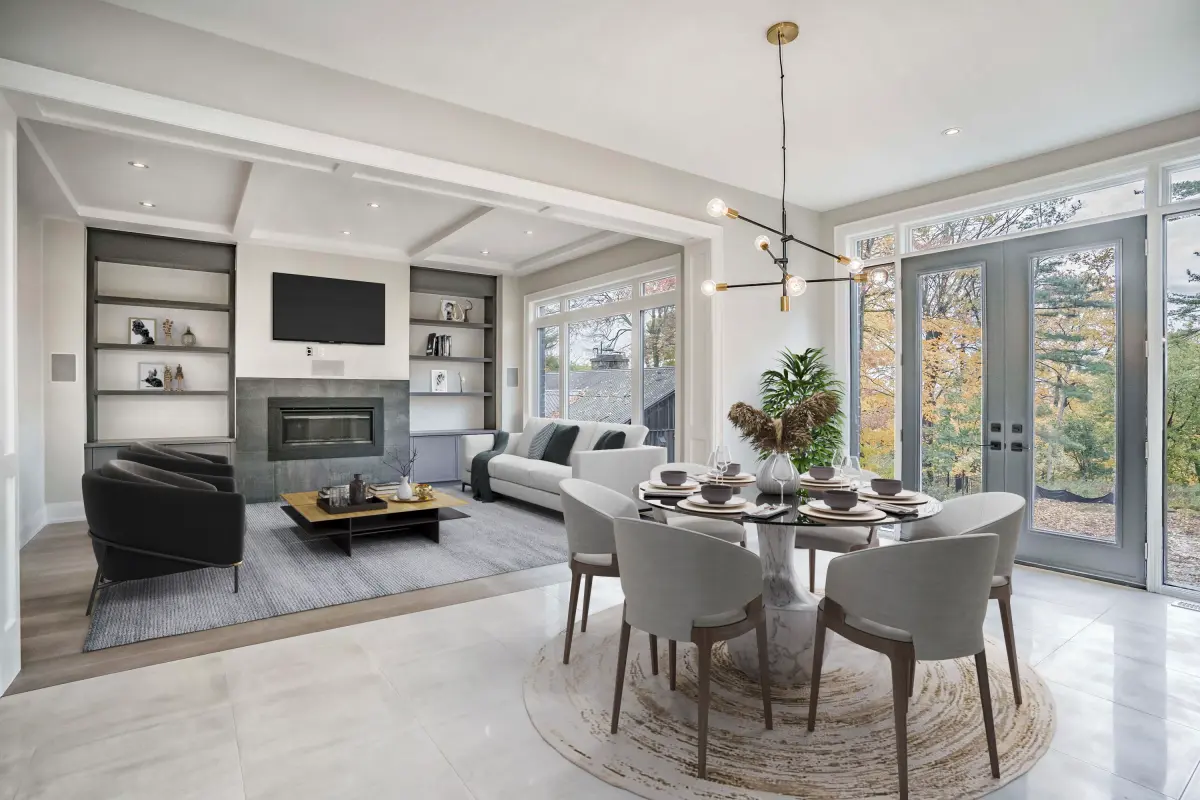

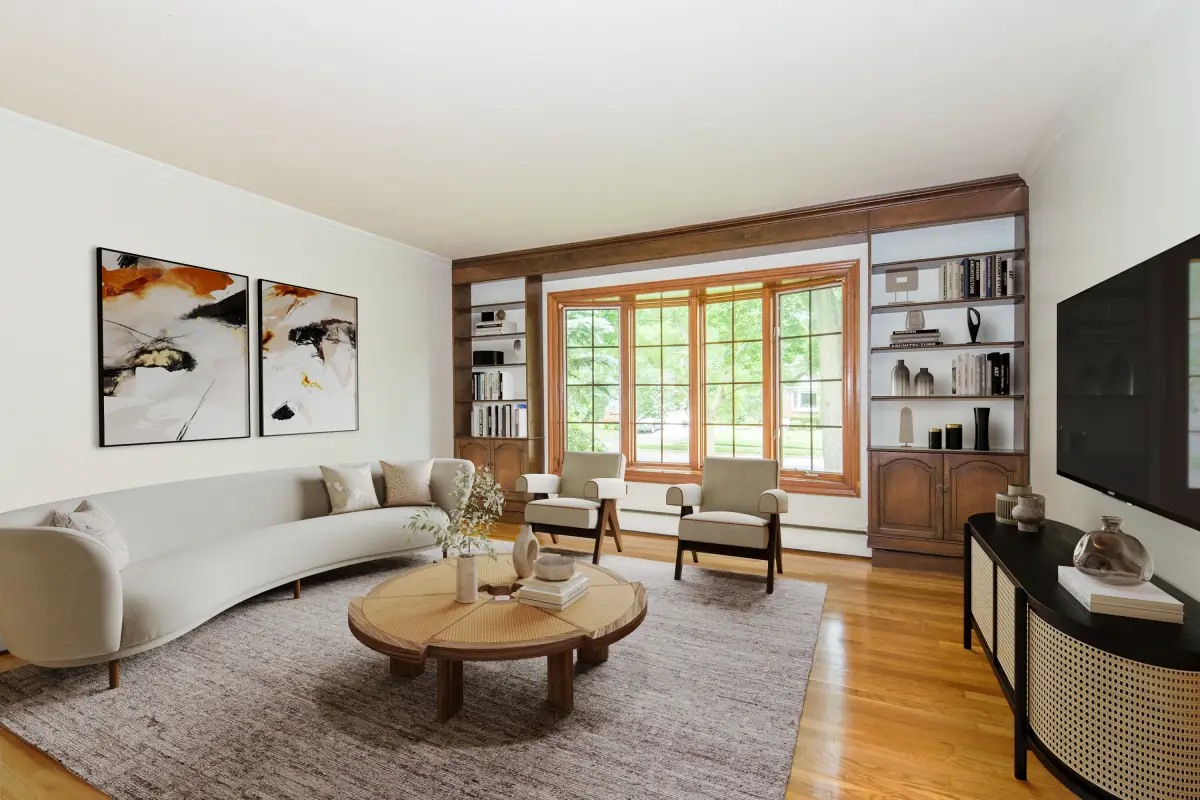
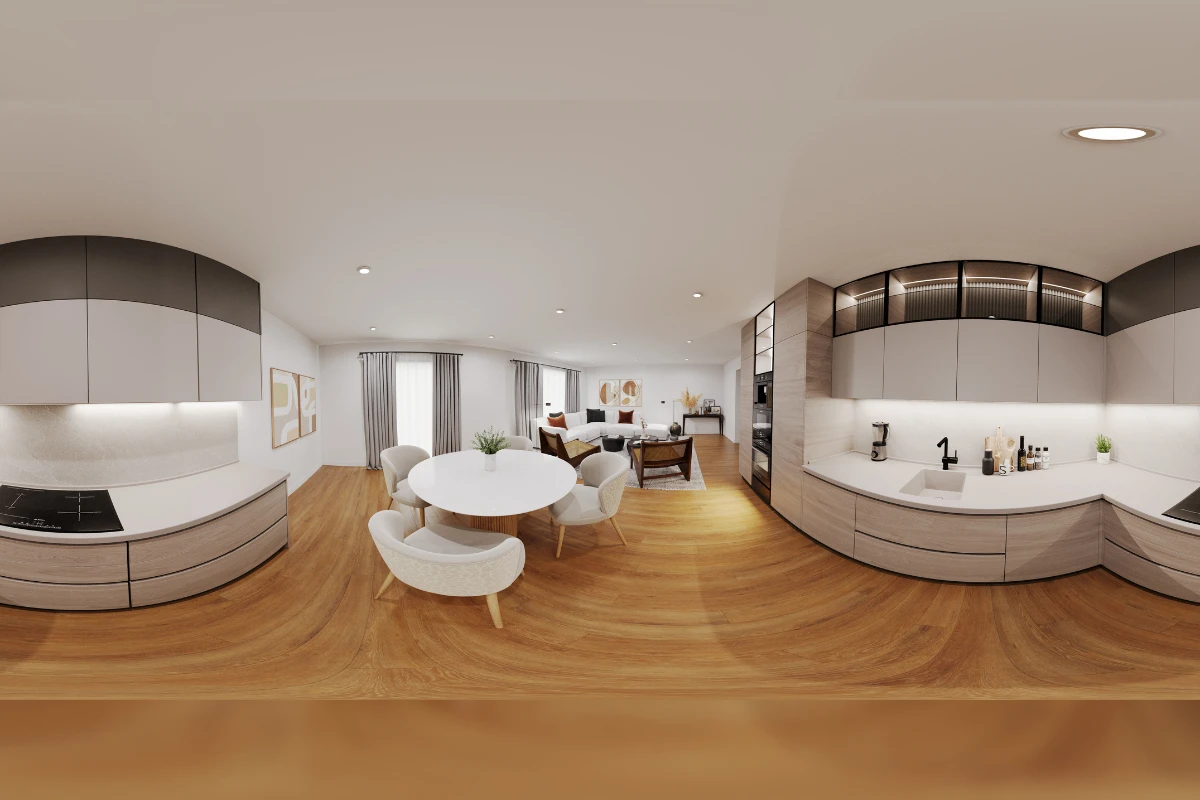








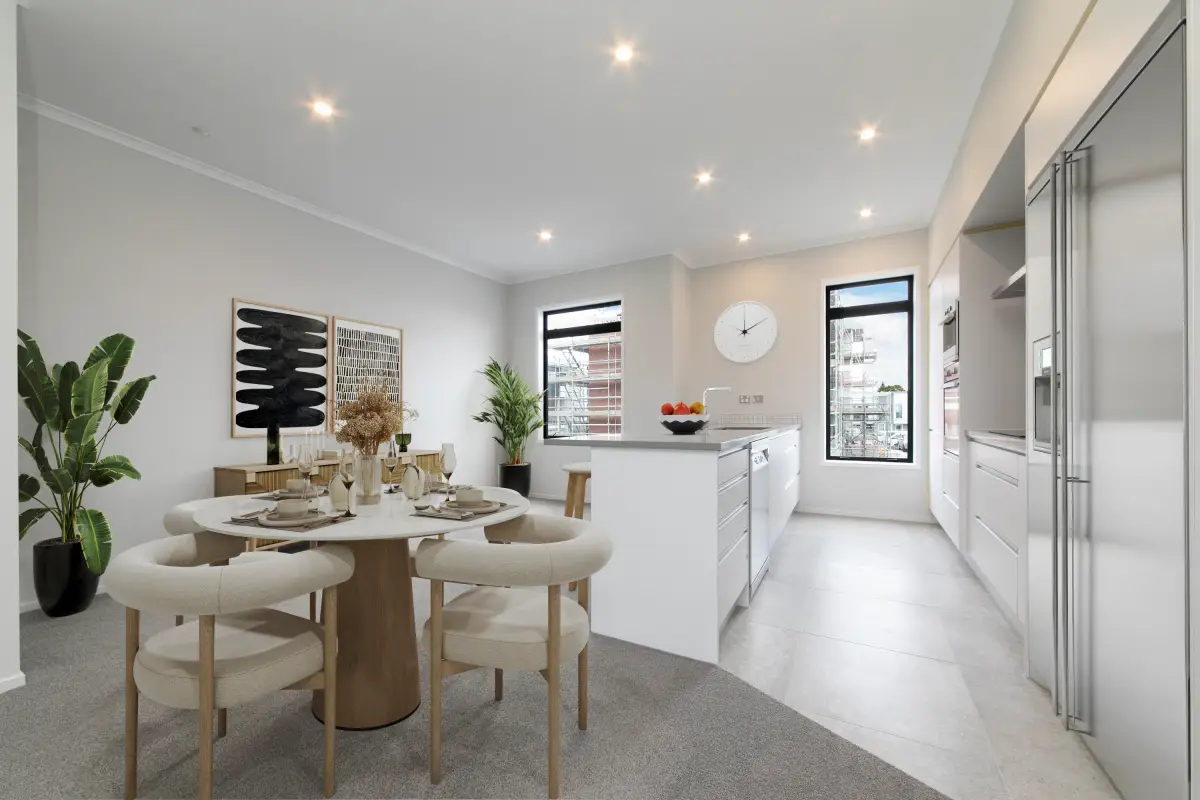


Starting January 1, 2026, California’s Assembly Bill 723 (AB 723) fundamentally changes how real estate professionals use digitally altered or AI-enhanced photos in listings and marketing. This new law, codified in Business and Professions Code Section 10140.8, mandates clear disclosure whenever images are modified to add, remove, or change property elements. Virtual staging, sky replacements, object removal, and similar edits now require transparency.
The goal is straightforward: prevent misleading buyers and ensure honest representations in an era of powerful AI tools. No more subtle edits that dramatically improve a property’s appearance without disclosure.
Violations can lead to disciplinary action, fines, or even criminal penalties under California’s Real Estate Law. Whether you are an agent, broker, photographer, or virtual stager, compliance is now mandatory across MLS listings, websites, social media, flyers, and all promotional materials.
This guide breaks down the law’s requirements, definitions, exemptions, and practical steps to stay compliant. It provides sharp, actionable advice to protect your business and maintain buyer trust.
1. What Is AB 723? Overview of the New Law

Assembly Bill 723 (AB 723), signed into law in October 2025 and codified as Business and Professions Code Section 10140.8, is California’s new transparency requirement for real estate marketing images. The law addresses the growing use of photo editing software and artificial intelligence in property listings.
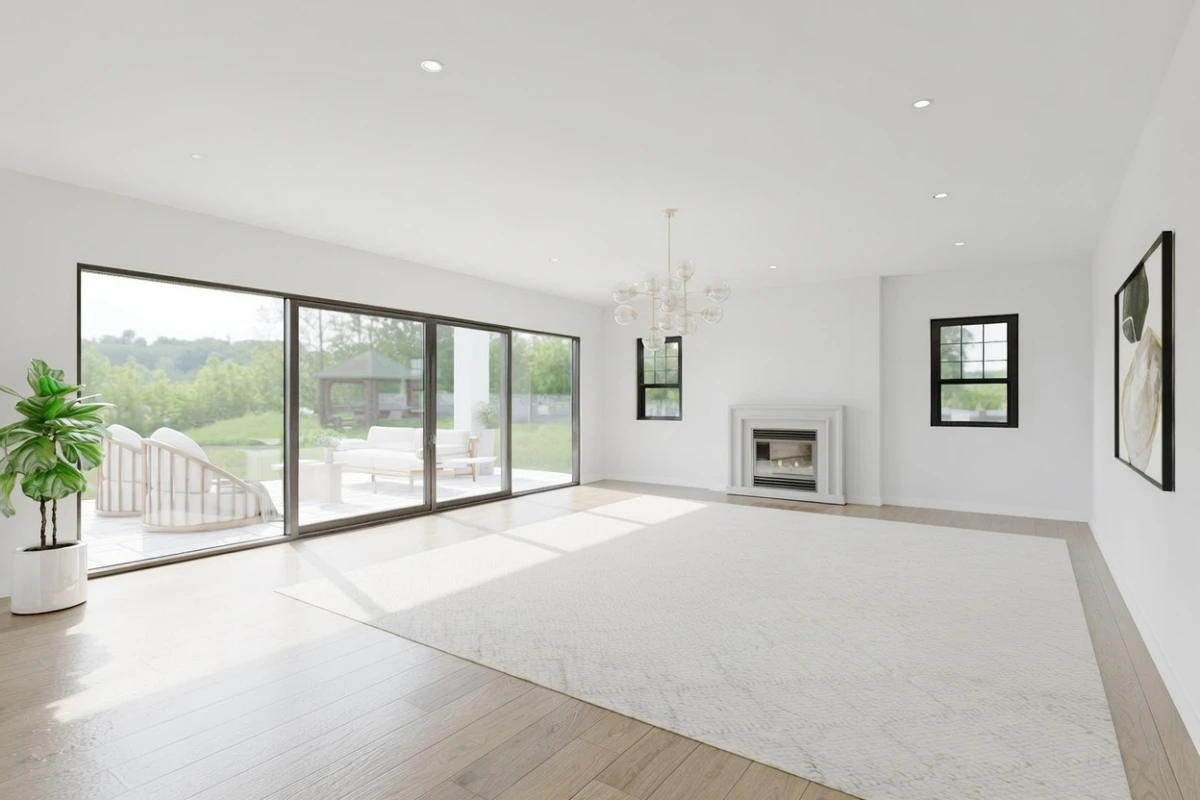
AB 723 requires real estate licensees and anyone acting on their behalf to clearly disclose when promotional images have been digitally altered in ways that materially change how the property appears. This includes common practices such as virtual staging, object removal or addition, sky replacement, landscape modifications, and AI-generated enhancements.
The primary purpose of the law is to protect consumers from misleading representations. Buyers rely on listing photos to form their first impressions of a property. Undisclosed alterations can create unrealistic expectations, waste time during showings, and lead to disputes or legal claims. By mandating disclosure and access to unaltered originals, AB 723 promotes honesty and builds trust in the real estate transaction process.
The law applies to all types of promotional materials, including MLS listings, brokerage websites, social media posts, email campaigns, print flyers, and advertisements. It does not ban the use of edited or AI-enhanced photos. Instead, it ensures that any such modifications are transparent to potential buyers. For the full official text of the law, see the enrolled bill version here.
2. Effective Date and Who It Applies To
Effective Date Assembly Bill 723 takes effect on January 1, 2026. From that date forward, all real estate promotional materials in California that include digitally altered images must comply with the disclosure requirements. Any listings, ads, or marketing created or updated on or after January 1, 2026, fall under the new rules.
Who Must Comply The law applies to a broad range of real estate professionals and service providers:
- Real estate brokers and salespersons licensed by the California Department of Real Estate (DRE)
- Anyone acting on behalf of a licensee, including:
- Real estate photographers
- Virtual staging companies
- Photo editors
- Marketing agencies
- Social media managers
- Any other third-party service provider who creates or supplies altered images for real estate listings or promotions
In short, if you are a licensed real estate professional or if you provide digitally altered photos to a licensee for use in marketing a property for sale or lease, you are responsible for following AB 723’s disclosure rules.
The law covers images used in any promotional material, such as:
- MLS listings
- Brokerage or agent websites
- Social media posts (Instagram, Facebook, LinkedIn, etc.)
- Email campaigns
- Print flyers and brochures
- Online advertisements
- Video tours or slideshows that include still images
This wide scope ensures that buyers see transparent, honest representations no matter where they encounter a property listing. Compliance is not optional for anyone involved in California real estate marketing after the effective date.
3. What Counts as a Digitally Altered Image?
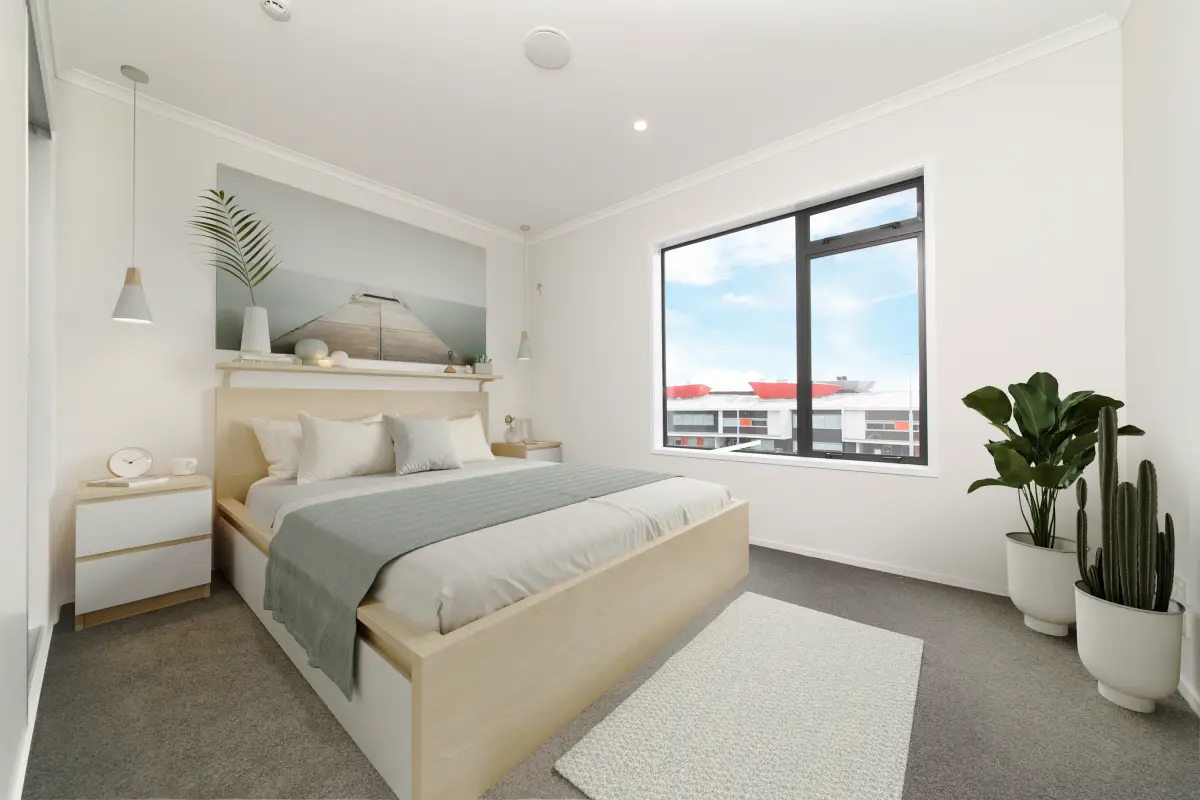
Under AB 723, a digitally altered image is any photograph or visual representation of real property that has been modified using photo editing software, artificial intelligence, or other digital tools in a way that materially changes how the property appears.
The law specifically requires disclosure when alterations add, remove, or change elements of the real property or its surroundings. Here are the key examples that require disclosure:
- Virtual staging: Adding furniture, decor, rugs, artwork, plants, or any items that were not present in the original photo.
- Object removal or addition: Removing personal items, clutter, wires, utility poles, street signs, vehicles, people, or trash cans — or adding new objects like appliances, mirrors, or landscaping features.
- Sky replacement or enhancement: Changing the sky from cloudy to sunny, adding dramatic clouds, or altering the time of day through sky edits.
- Landscape or hardscape changes: Adding or removing trees, plants, grass, flowers, pools, patios, fences, or other exterior features.
- Structural or architectural modifications: Altering walls, windows, doors, flooring, paint colors, countertops, or room layouts to make spaces appear larger, brighter, or more modern.
- View alterations: Changing or enhancing the view from windows (e.g., adding ocean, mountains, or city skyline where none exists).
- AI-generated enhancements: Using generative AI to create or modify any element of the property depiction, such as filling in empty rooms or improving exteriors.
These modifications are considered material if they could reasonably influence a buyer’s perception of the property’s condition, features, or appeal.
Important note: The law focuses on changes that affect the real property itself or its immediate surroundings. Routine, non-material edits do not require disclosure (covered in the next section).
By clearly defining these alterations, AB 723 ensures that buyers are not misled by enhanced or fabricated images that do not accurately represent what they will actually see when they visit the property.
4. What Does NOT Require Disclosure? (Exemptions)
Not every edit to a real estate photo triggers the disclosure requirement under AB 723. The law specifically exempts routine, non-material adjustments that do not misrepresent the property’s actual condition, features, or surroundings. These common enhancements are allowed without any disclosure or need to provide an original version.
Here are the key types of edits that do NOT require disclosure:
- Basic color correction and white balance – Adjusting overall color temperature, tint, or hue to make the image look more natural or accurate to real-life viewing conditions.
- Exposure, brightness, and contrast adjustments – Lightening or darkening the photo to correct underexposure/overexposure without changing the actual appearance of the property.
- Sharpening and noise reduction – Improving clarity and reducing graininess for a cleaner, professional look.
- Cropping and straightening – Removing unnecessary edges or correcting tilted horizons.
- Lens distortion correction – Fixing minor barrel or pincushion distortion common in wide-angle lenses.
- Minor lighting fixes – Removing harsh shadows or highlights caused by flash or poor indoor lighting, as long as the change does not materially alter the room’s appearance.
- Simple spot removal – Removing small dust spots, sensor dust, or tiny blemishes that do not affect the property itself.
Key principle: These exemptions apply only if the edits are non-material and do not change, add, or remove any real property elements (such as furniture, walls, views, landscaping, or objects). The goal is to allow standard post-processing that improves photo quality without deceiving buyers.
If an edit crosses the line into adding, removing, or materially altering property features (even if it seems minor), it falls under the disclosure rules. When in doubt, it’s safer to disclose and provide the original image to avoid any risk of non-compliance.
5. Exact Disclosure Requirements
AB 723 sets clear, specific rules for how disclosures must be made when using digitally altered images. The goal is to make the disclosure reasonably conspicuous so that potential buyers cannot miss it.
5.1. Conspicuous Statement on or Adjacent to the Altered Image
You must include a clear, visible statement that the image has been digitally altered. The statement should be placed directly on the image (e.g., watermark-style in a corner) or immediately next to it in the listing or ad.
Example wording:
- “This image has been digitally altered.”
- “Virtually staged – actual room is unfurnished.”
- “Digitally enhanced for illustrative purposes only.”
5.2. Link, URL, or QR Code to the Unaltered Original
Every altered image must include a direct way for viewers to access the original, unaltered version. This can be:
- A clickable hyperlink (URL)
- A QR code that leads to the original
- A reference to a publicly accessible gallery or media manager where originals are stored
The link or QR code must be reasonably conspicuous (not buried or tiny).
5.3. Website-Specific Rules
If the altered image is posted on a website you control (brokerage site, agent site, etc.), you must either:
- Post the unaltered original image on the same page, or
- Provide a direct link to the original image.
5.4. Placement and Visibility
The disclosure and link must be easy to see and understand. They cannot be hidden in fine print, footnotes, or separate pages unless the law explicitly allows it. On social media or flyers, the statement and QR code/link should appear with the image itself.
5.5. Who Is Responsible
The real estate licensee (broker or agent) is ultimately responsible for ensuring compliance, even if a photographer or third-party provider creates the images. Photographers and editors should deliver both altered and original versions, along with proper labeling, to help licensees comply.
These requirements apply to every altered image used in promotional materials after January 1, 2026. Following them precisely protects you from potential violations while maintaining transparency with buyers.
6. How to Comply: Step-by-Step Guide & Best Practices


Complying with AB 723 is straightforward once you build the right workflow. Here is a clear, practical step-by-step guide to help real estate agents, brokers, photographers, and virtual stagers stay compliant starting January 1, 2026.
6.1. Always Keep and Deliver Both Versions
- Shoot or receive the original, unaltered photo first.
- Make any desired edits (virtual staging, object removal, sky replacement, etc.) on a copy of the original.
- Save both files with clear, consistent naming:
- Original: kitchen-original.jpg
- Altered: kitchen-virtual-staged.jpg
6.2. Add Conspicuous Disclosure to Every Altered Image
- Place a visible watermark or text overlay on the altered image itself, such as:
- “Digitally Altered / Virtually Staged”
- “This image has been digitally enhanced”
- Or add the statement immediately next to the image in your listing, post, or flyer.
6.3. Provide Easy Access to the Original
- Upload the original unaltered image to a publicly accessible location (e.g., Google Drive, Dropbox, your media gallery, or a dedicated folder on your website).
- Generate a short, permanent link or QR code that points directly to the original.
- Include this link or QR code next to or on every altered image.
6.4. Best Practices for Photographers & Virtual Stagers
- Deliver clients two folders: one with originals and one with altered images.
- Include a simple note or spreadsheet that lists:
- File name of altered image
- Corresponding original file name
- Disclosure text used
- Link/QR code to original
- Use tools like Lightroom, Capture One, or photo delivery platforms (e.g., Pixieset, ShootProof, SmugMug) that allow separate galleries for originals and edited sets.
6.5. Best Practices for Agents & Brokers
- When uploading to MLS or your website, attach the original image or link it in the description.
- For social media: Post the altered image with the disclosure text and QR code in the caption or as a separate story/slide.
- Create a standard template for disclosures (e.g., “Virtually staged – see original here: [link/QR]”) to save time and ensure consistency.
6.6. Tools & Resources to Make Compliance Easy
- QR code generators: Free tools like QRCode Monkey or Canva.
- Media managers: Pixieset, ShootProof, or Dropbox shared folders with public links.
- MLS support: Check your local MLS (CRMLS, SDMLS, etc.) for built-in features or guidance on attaching originals.
By following these steps, you can continue using powerful editing and AI tools while fully complying with the law.
7. Penalties and Risks of Non-Compliance
Violating AB 723 can lead to serious consequences under California’s Real Estate Law. The law treats non-compliance as a violation of professional standards, and penalties can escalate depending on the severity and intent.
7.1. Disciplinary Actions by the Department of Real Estate (DRE)
The California Department of Real Estate can take administrative action against licensed brokers and salespersons, including:
- Formal reprimands
- Suspension of real estate license
- Revocation of real estate license
These actions can severely impact your ability to practice real estate in California.
7.2. Civil and Financial Penalties
Fines imposed by the DRE for each violation. Potential civil lawsuits from buyers who claim they were misled by undisclosed alterations, leading to:
- Rescission of the sale
- Damages for misrepresentation
- Legal fees and court costs
7.3. Criminal Penalties for Willful Violations
Willful or knowing violations can be classified as a misdemeanor. Possible criminal penalties include:
- Fines
- Jail time (up to one year in county jail for serious cases)
Criminal convictions can permanently damage your professional reputation and license eligibility.
7.4. Additional Risks
- Loss of trust from clients and buyers
- Negative reviews and damage to your online reputation
- Difficulty working with MLS systems or brokerages that enforce strict compliance
- Increased scrutiny from the DRE and local associations
7.5. How to Avoid Penalties
The easiest way to protect yourself is full compliance: always disclose alterations, provide originals, and document your process. When in doubt, disclose. Proactive compliance not only avoids penalties but also builds stronger, more trustworthy relationships with buyers and sellers.
8. Impact on Real Estate Photography, AI Tools, and Marketing
AB 723 does not eliminate the use of digital editing or artificial intelligence in real estate marketing. It simply requires transparency when those tools are used to materially alter a property’s appearance. This balanced approach has several important implications for photographers, agents, brokers, and the industry as a whole.
8.1. Continued Use of AI and Editing Tools
- Virtual staging, sky replacements, object removal, and generative AI enhancements remain fully allowed.
- Photographers and stagers can keep using powerful tools like Adobe Photoshop, Luminar AI, Midjourney, or virtual staging platforms (BoxBrownie, Virtual Staging Solutions, etc.).
- The key change is adding a disclosure layer rather than stopping creative enhancements.
8.2. Benefits for Transparency and Trust
- Buyers now have clear access to both the enhanced and original images.
- This reduces unrealistic expectations, minimizes disputes during showings, and builds greater trust between agents, sellers, and buyers.
- Transparent marketing can actually become a competitive advantage: agents who openly show “before and after” versions often appear more honest and professional.
8.3. Changes for Photographers and Virtual Stagers
- Photographers must deliver both original and edited files to clients.
- Workflows will include extra steps: labeling files, creating public galleries for originals, and providing disclosure text.
- Some photographers may charge slightly more for compliance packages that include organized originals and QR codes.
- Virtual staging companies will likely update their delivery systems to automatically include disclosure watermarks and original links.
8.4. Marketing and Branding Opportunities
- Agents can turn compliance into a selling point: “We follow AB 723 for full transparency – see the real home and the staged version.”
- Social media posts and website galleries can feature side-by-side comparisons (original vs. enhanced) to engage viewers.
- High-quality, honest marketing helps differentiate your brand in a competitive market.
8.5. Industry-Wide Shift Toward Professionalism
- MLS systems and associations (like CRMLS, California Association of Realtors) are already updating guidelines and tools to support compliance.
- The law encourages better organization and documentation, which ultimately improves the quality and reliability of real estate photography services.
In summary, AB 723 pushes the industry toward greater honesty without banning innovation. Professionals who adapt quickly and embrace transparency will maintain a strong edge in client trust and market reputation.
Betates – Your Best Online Team For Virtual Staging
Ready to transform your property listings? Contact DIY Betates today and discover how our virtual staging platform can elevate your real estate game. Reach out now and let’s create stunning, captivating spaces together!
- Email: [email protected]
- Phone: (+84)34.614.0991

